Tin & Tungsten Gravity Processing Plant
.jpg)
Combined gravity and magnetic beneficiation lines recovering heavy tin and tungsten minerals without hazardous chemicals.
1. Process Overview & Flowchart Explanation
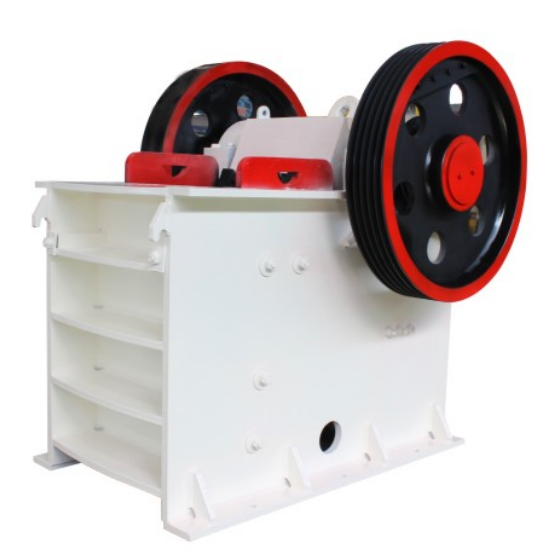
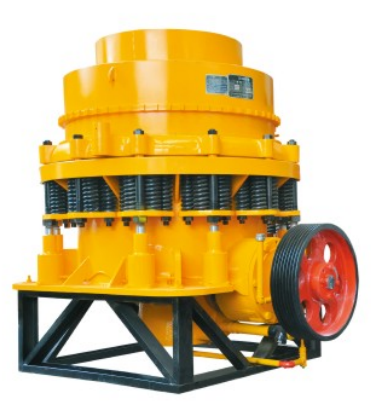
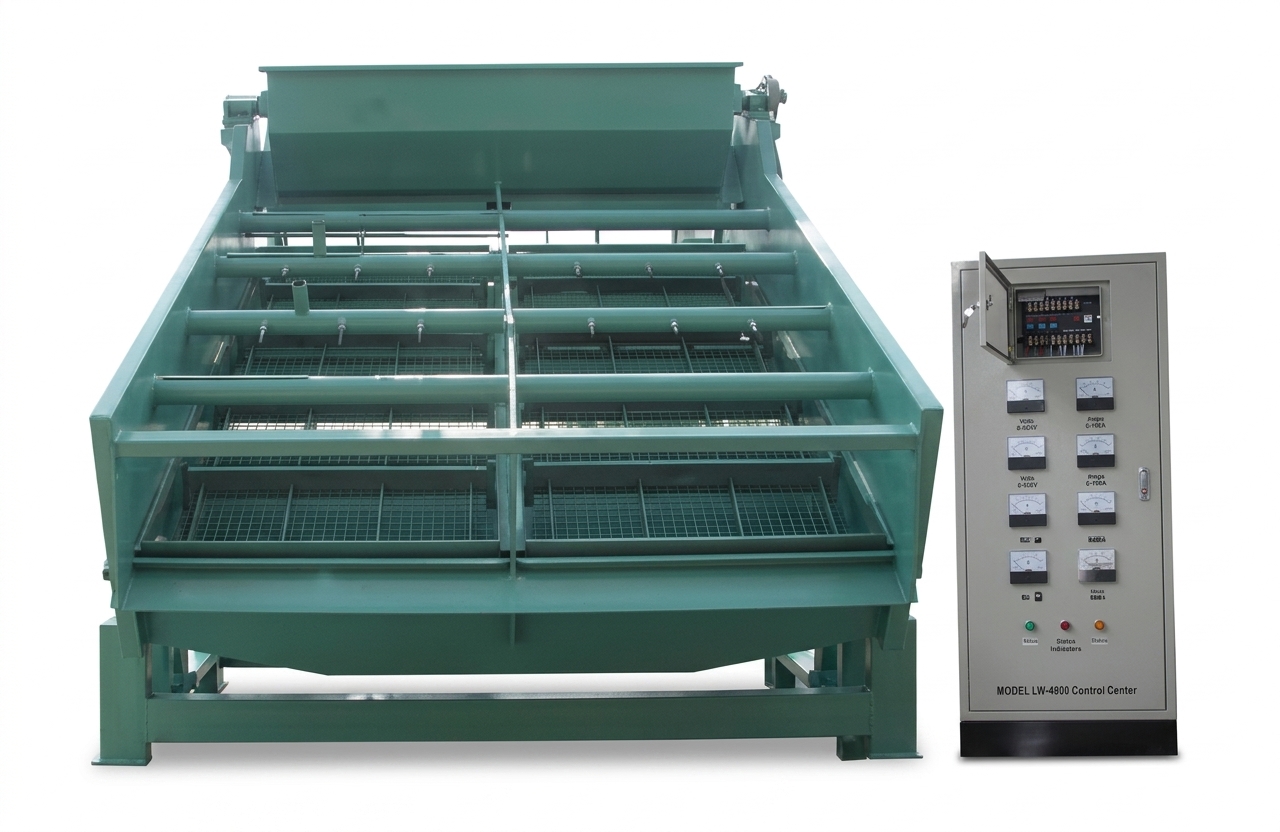
The Tin & Tungsten Gravity Processing Plant is engineered for cassiterite (tin oxide) and wolframite/scheelite (tungsten) ores. Because cassiterite and wolframite are friable and prone to over-grinding, crushing is conducted stagewise using a PE Series Jaw Crusher to liberate minerals without creating excessive ultra-fines.
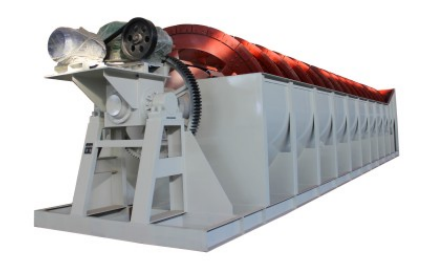
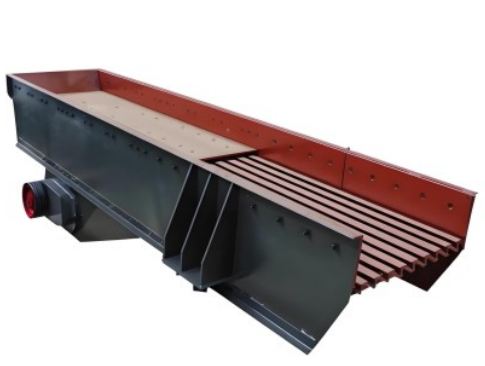
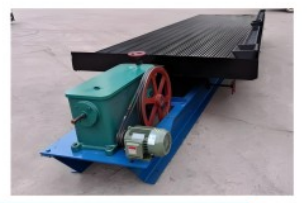
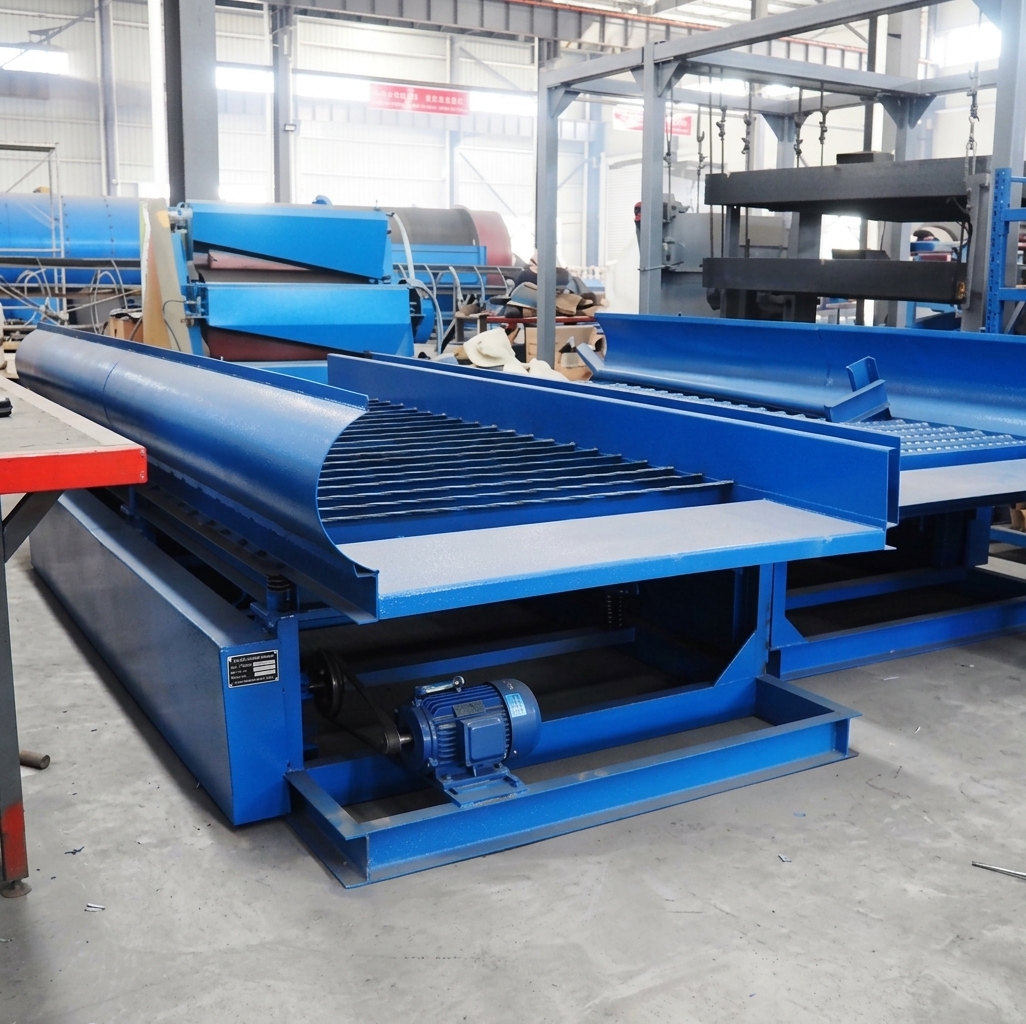
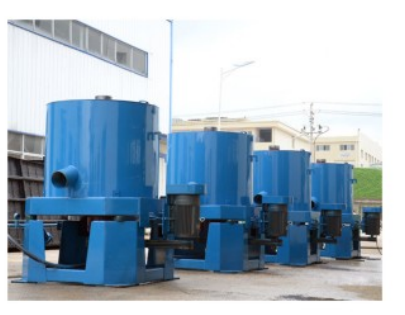
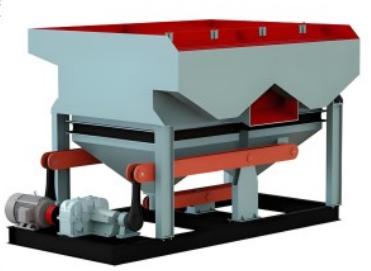
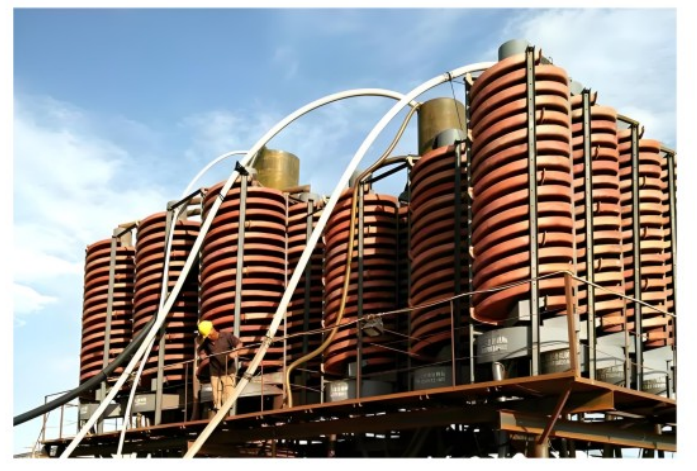
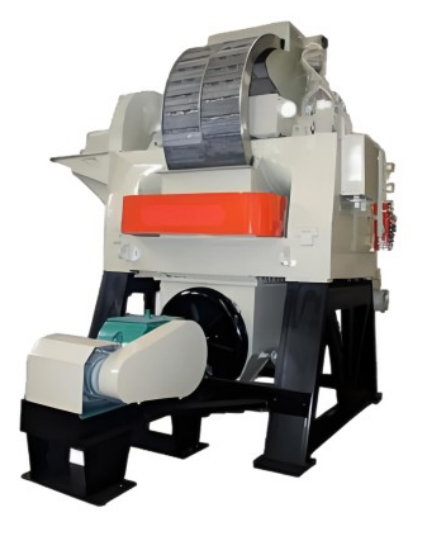
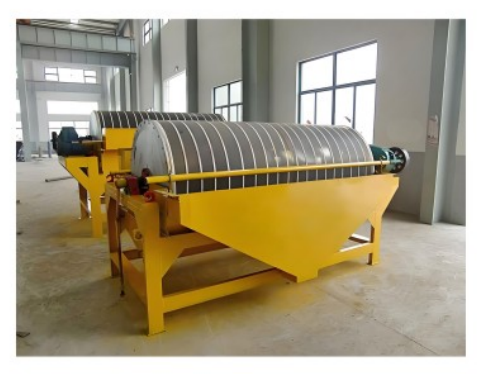
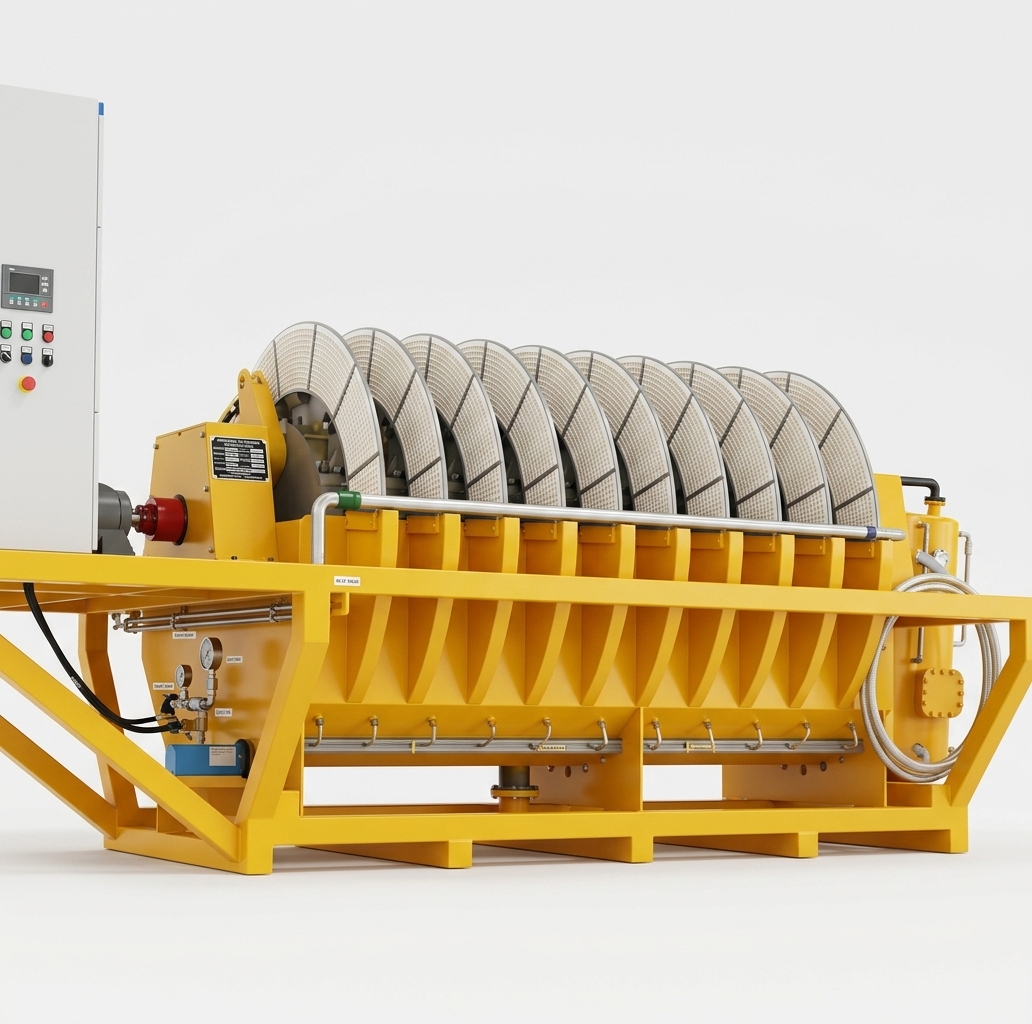
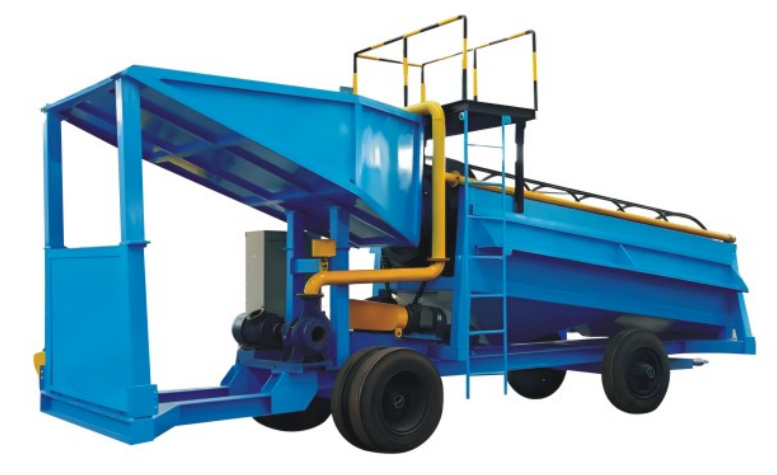
The crushed ore is classified by screen sizes. Coarse fractions (2-10 mm) are treated in Mineral Jig Machines using sawtooth-wave water pulsation. Intermediate sizes (0.5-2 mm) pass down multi-turn Spiral Chute Concentrators. Fine sands (0.074-0.5 mm) are dressed on 6-S Shaking Tables. Finally, mixed heavy concentrates are processed through High Gradient Magnetic Separators (SLon Series) to cleanly separate magnetic wolframite from non-magnetic cassiterite.
2. Technical Advantages & Features
- Anti-Sliming Crushing Flowsheet: Multi-stage reduction and sizing preserve coarse mineral crystals and prevent sliming losses.
- High Density Difference Exploitation: Sawtooth jigs, spiral chutes, and shaking tables leverage high mineral specific gravities (SG 6.8-7.5) with zero chemical reagents.
- High-Intensity Magnetic Upgrading: High-gradient magnetic separators cleanly split tin and tungsten into two premium commercial concentrates.
- Cost-Effective Operation: Low electricity consumption and minimal wear part replacement costs compared to chemical leaching routes.
Ore / Material Type
Tin
Processing Capacity
10 - 150 t/h
Feeding Size
<= 300 mm
Recovery Rate
80 - 90%
Flowsheet Routing
PE Jaw Crusher -> Sizing Screen -> Mineral Jig Machine (Coarse Gravity) -> Spiral Chute (Medium) -> 6-S Shaking Table (Fine) -> High Gradient Magnetic Separator -> Tin & Tungsten Concentrates.
Need a customized solution?
Contact our engineers for technical consultation and project evaluation.